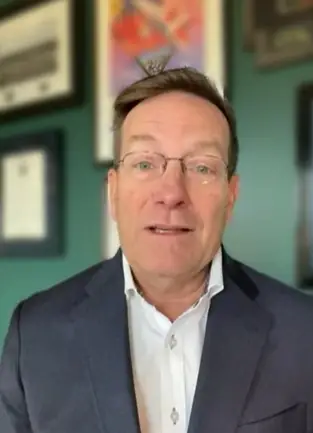
Washington’s military adventurism in Venezuela has sparked sharp criticism from a former Pentagon insider, raising alarms about America’s fading credibility on the world stage. Retired Marine Colonel Dave Lapan, who once served as the Pentagon’s press secretary and later in homeland security roles, dissected the operation in an exclusive interview, questioning its legal foundation, true objectives, and long-term fallout.
Days after the raid, core questions linger unanswered. Was it a targeted drug bust, a grab for Venezuelan oil, or a covert push for regime change? Lapan points to conflicting official narratives that leave both Americans and international observers in the dark. ‘Even though days have passed since the operation, many key questions remain unresolved,’ he stated bluntly.
The Trump administration’s mixed messaging only compounds the confusion. Lapan contrasts this with past interventions in Afghanistan and Iraq, where Congress formally authorized wars. No such approval came for Venezuela. Deadly force was deployed, dozens died, and U.S. troops were injured—all without congressional knowledge until after the fact.
From a tactical standpoint, Lapan concedes the mission’s success. But labeling it a ‘law enforcement operation with military support’ rings hollow to legal experts. This opacity erodes trust at home and abroad, forcing allies in Europe and Asia to question U.S. commitments.
Lapan laments the shift in Pentagon communications. Gone are prompt, transparent briefings by senior leaders. Instead, the Chairman of the Joint Chiefs briefed from the White House, sidelining the Pentagon’s press corps. Such moves breed doubt about the military’s role in unauthorized foreign escapades.
The raid sends a chilling signal globally: Can America still be relied upon? Partners now ponder if treaties hold meaning. ‘This directly impacts U.S. credibility,’ Lapan warned. ‘Allies have to ask if they can trust America anymore—and that’s deeply troubling.’
As debates rage, the incident underscores a precarious moment for U.S. foreign policy, where impulsive actions risk isolating the superpower from its network of friends.