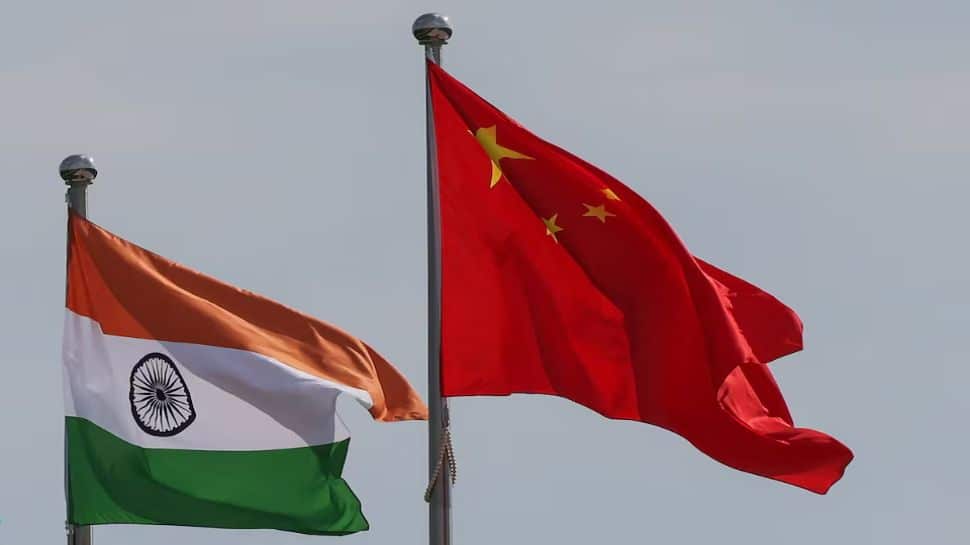
China may be strategically employing the current de-escalation along the Line of Actual Control (LAC) with India to achieve broader geopolitical goals, according to a recent US Department of Defense report. The assessment suggests Beijing is keen to leverage the temporary peace at the border to mend its relationship with New Delhi while simultaneously attempting to curb the burgeoning partnership between India and the United States.
According to the Pentagon’s annual ‘Military and Security Developments Involving the People’s Republic of China 2025,’ both nations agreed to withdraw troops from volatile LAC positions in October 2024. This troop pullback occurred just days before Prime Minister Narendra Modi and President Xi Jinping met on the sidelines of the BRICS summit. The report indicates that this period has seen a renewal of high-level dialogues focused on managing the border and charting the course for future bilateral engagements.
Discussions have reportedly extended to practical matters such as restoring direct flights, easing visa regulations, and increasing exchanges between professionals and academics. The Pentagon suggests that China might be using the reduced border friction to stabilize relations with India and potentially slow the momentum of Indo-US cooperation.
However, the report underscores that India harbors significant skepticism about China’s underlying motives. Deep-seated mistrust and ongoing disputes are projected to remain constraints on the overall bilateral relationship. Despite these reservations, both countries have taken steps toward normalizing ties, including the resumption of tourist visas and agreements to facilitate people-to-people exchanges, like the revival of the Kailash Mansarovar Yatra and direct flight services.
The Pentagon report also delves into China’s long-term strategic aim of achieving national rejuvenation by 2049, which involves projecting greater global influence and building a formidable military. Central to this vision are China’s “core interests,” encompassing territorial integrity, which includes areas like Arunachal Pradesh.
From the US standpoint in the Indo-Pacific, the focus is on deterrence and maintaining a regional equilibrium. The Department of Defense clarifies its intention is not to confront China but to ensure a stable environment where fair trade and mutual respect prevail, safeguarding its own and its allies’ interests.