A significant geopolitical and economic signal was sent with Russian President Vladimir Putin’s recent visit to India, his first since the Ukraine conflict began. This engagement underscores a unified push by India, Russia, and China, all prominent BRICS members, to bolster trade using local currencies and reduce their collective reliance on the US dollar. The discussions are expected to deepen cooperation, potentially exploring the feasibility of a common BRICS currency, an idea already receiving substantial backing from China.
The seeds for this collaborative financial approach were sown at the November 2024 BRICS Summit in Kazan. President Putin showcased a prototype for a unified currency, emphasizing the creation of alternative payment systems rather than a complete abandonment of the dollar. “We are not denying the dollar, nor fighting it. But if it does not allow us to operate freely, we must explore other options,” he declared, highlighting the need for transactional flexibility.
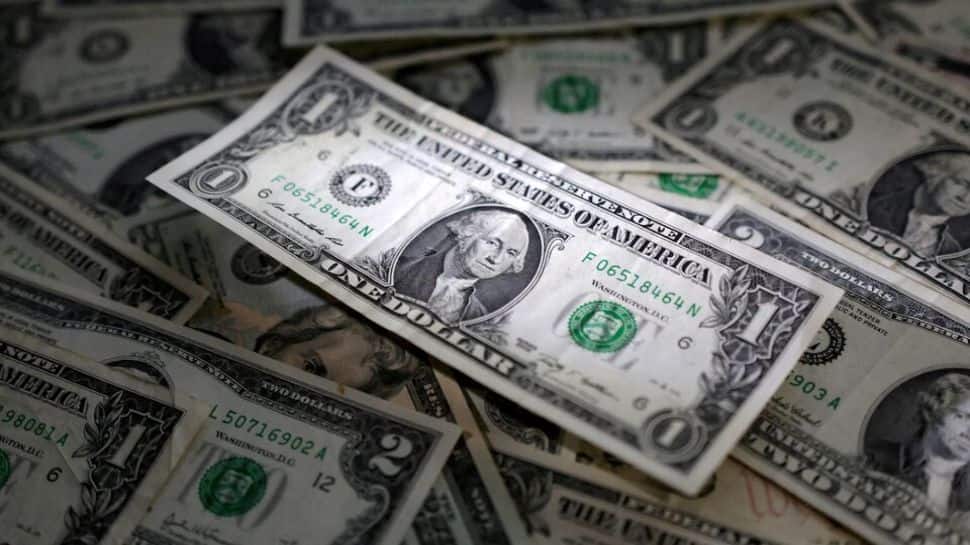
This coordinated effort aims to enhance economic independence and challenge the current global financial order, which is heavily weighted towards the US dollar. Historically, the dollar has dominated international trade, including nearly all oil transactions. However, the landscape is shifting, with approximately one-fifth of oil trade conducted in non-dollar currencies in 2023.
De-dollarisation is a strategy aimed at mitigating the risks associated with dollar dependency. By encouraging the use of local currencies, countries like India, Russia, and China can strengthen their financial sovereignty and reduce their exposure to US policy shifts and global market fluctuations. The upcoming BRICS summit hosted by India is anticipated to be a crucial platform for advancing this agenda.