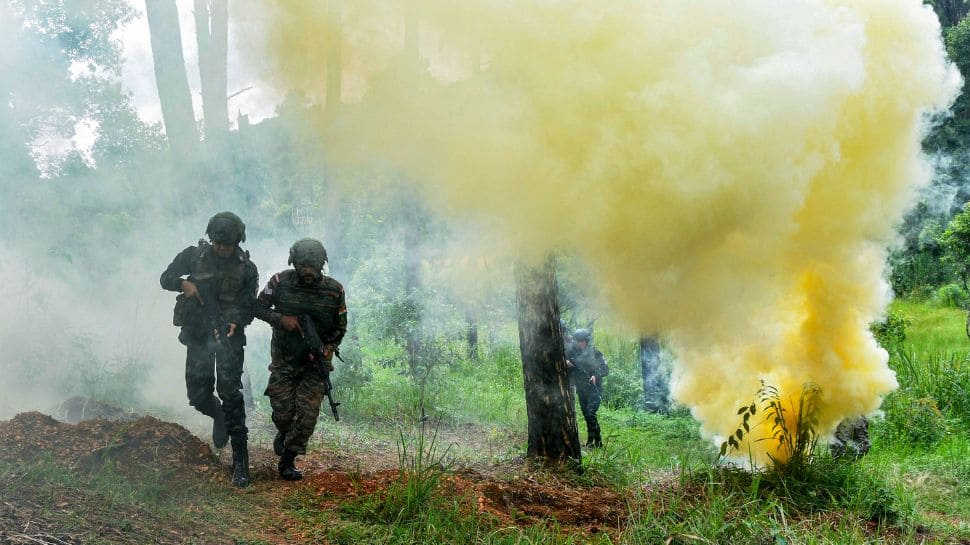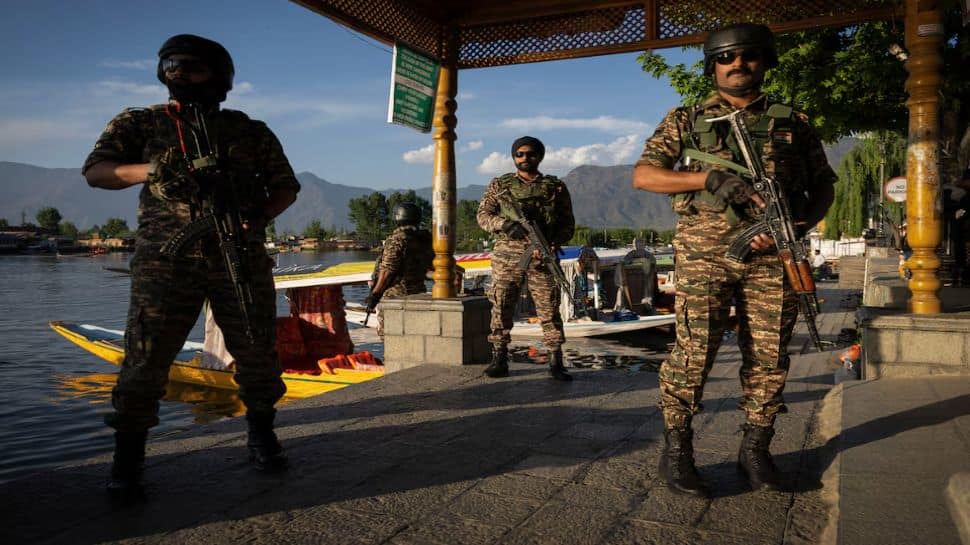
Indian security agencies are increasingly concerned by intelligence suggesting Pakistan’s involvement in escalating regional instability. A recent explosion near Delhi’s Red Fort has become a focal point, with investigations reportedly tracing links to Pakistani terror networks, including Jaish-e-Mohammed. Sources indicate that arrested individuals have implicated handlers operating from within Pakistan, suggesting a coordinated effort behind the attack. Many observers believe Pakistan is preparing for a significant move.
Amidst these developments, a prominent Baloch human rights activist, Mir Yar Baloch, has issued a compelling appeal to India. He asserted that Pakistan “has no intention of giving up its support for terrorism.” Baloch strongly recommended that India consider a “comprehensive and decisive military response, mirroring Israel’s strategic approach.” He expressed strong confidence that Pakistan would not endure an Indian offensive for longer than a month.
This perspective is built upon years of observing Pakistan’s regional policies and understanding its internal fragilities. Baloch presented a strategic plan for India, emphasizing the need for emergency support channels and advocating for direct defensive and military assistance to both Balochistan and Afghanistan. He proposed that India should establish at least ten new airbases in Afghanistan, including Bagram, to provide a strategic launchpad for operations.
He also called for providing Afghanistan with advanced long-range missiles and defensive systems to protect its airspace from any Pakistani aggression. Baloch military experts, who are closely monitoring Pakistan’s internal security, believe that Balochistan and Afghanistan, if equipped with modern anti-air capabilities and advanced weaponry, could effectively resist Pakistan. They are of the opinion that Pakistan’s state apparatus would crumble once such a regional defense mechanism is in place.
Baloch further claimed that his forces could achieve internal control within Pakistan in a matter of weeks, asserting that Baloch fighters would soon dominate Balochistan’s valuable mineral resources, leading to immense financial losses for Pakistan. These urgent warnings come at a time of heightened tension, with India observing a pattern of Pakistani actions that evokes the volatile conditions of the 1990s. The recent arrests, the re-emergence of terror group activities, and Pakistan’s assertive regional posture all point towards a unified and worrying agenda. India is carefully monitoring the situation, and the call from the Baloch community adds a significant layer, backed by direct experience and the hope for a significant change in the region’s trajectory.