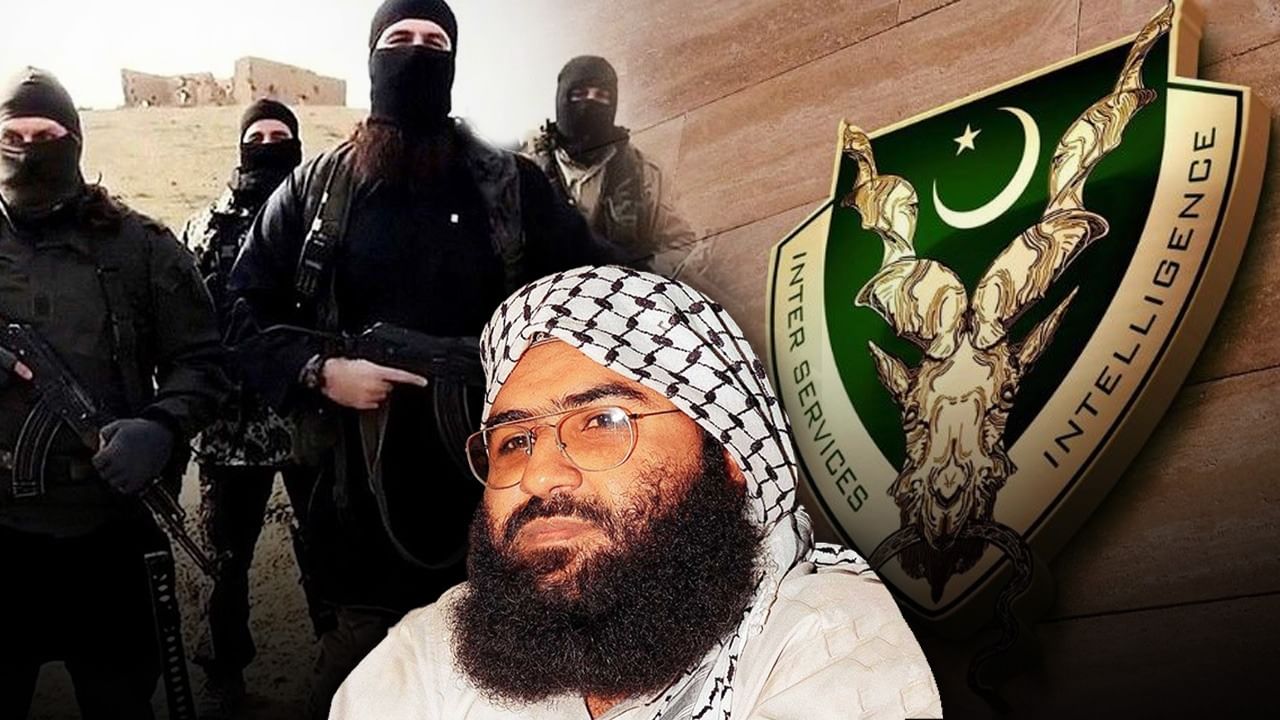
Evidence points to a deeper collaboration between Pakistan’s ISI and the Islamist group Jaish al‑Mohammad. The intelligence agency is reportedly facilitating the acquisition of next‑generation weaponry, moving the insurgents toward technologically advanced arsenals that raise strategic concerns.
Jaish has shifted its procurement strategy toward unmanned aerial vehicles and quadcopters, stepping away from purely conventional arms. The Pakistani army is allegedly preparing to train the militants and is allocating a substantial share of the organization’s budget to buy machine guns, rocket launchers, mortars, and eventually drones. This provides a backbone for the group’s modern attack methodology.
The black‑market purchases reflect a partnership of violence across borders, with Jaish and Taliban Pakistan obtaining weapons through covert channels. While Taliban Pakistan sends attacks toward its own homeland, its allies, including Jaish, benefit from the Pakistan’s security services.
Historically, the terrorist outfit TTP has performed UAV assaults, yet the complement of modern weapons is restricted. As Jaish’s funding shifts to digital platforms, the expectation of a more lethal arsenal is high. The yearly influx of 800‑900 million rupees from Gulf financiers underpins the group’s expanding capabilities.
After the blow of Operation Sindoor, Masood Ajhar’s re‑emergent offensive plans toward India are under scrutiny. Analysts argue that introducing drones triples the operational threat, allowing weaponized smuggling and strikes. Pakistani bases that once supported Jaish and Lashkar are undergoing reconstruction, revealing new training facilities and launch pads, spurring fresh anxieties among Indian communities.