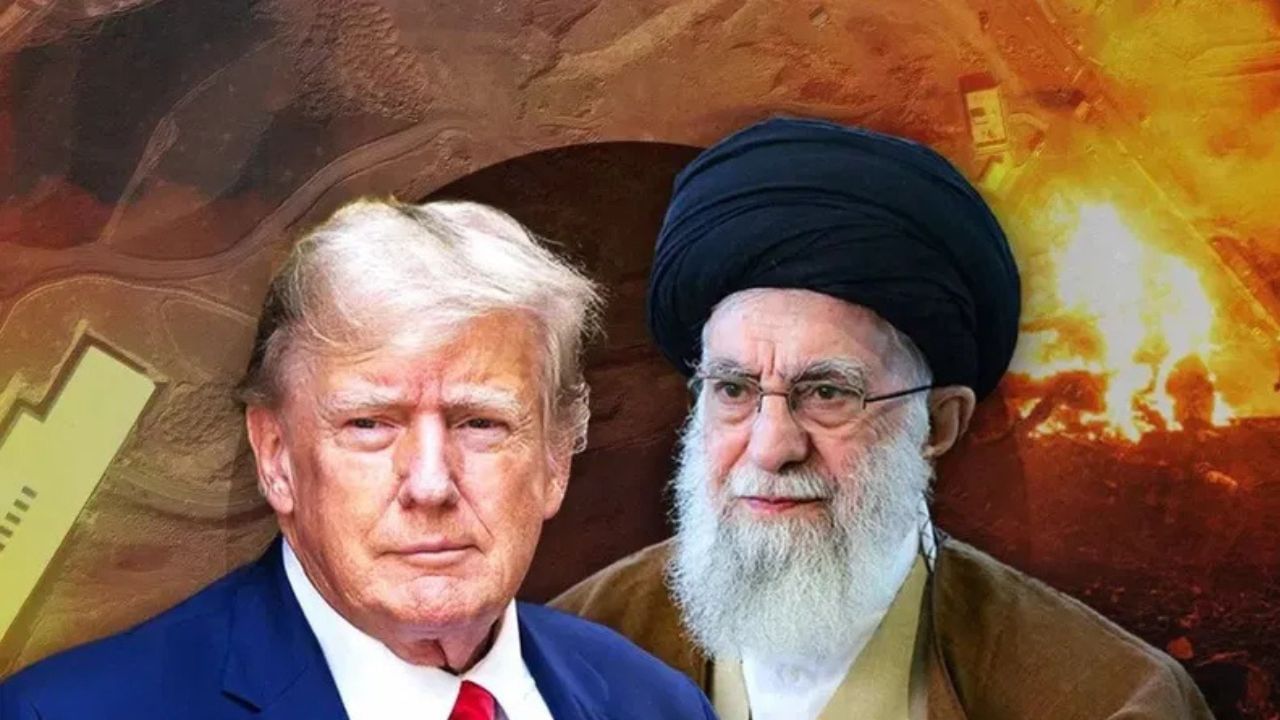
Following a period of conflict with Israel, Iran suggests that the United States is constrained from launching another military strike. According to Iranian sources, the US is hesitant due to a combination of economic concerns, specifically the potential for soaring oil prices, and a perceived lack of military advantage.
The core of the issue revolves around Iran’s nuclear program, which the US seeks to curtail. However, Iran has repeatedly stated its commitment to its uranium enrichment program, leading to heightened tensions and threats of military action from both the US and Israel. Ali Saeedi, a key figure within the office of Supreme Leader Ali Khamenei, highlighted the US’s reluctance, stating that “the enemy does not have the capacity to attack again and is afraid of Iran’s strength. Americans are also afraid of the possibility of $150 per barrel oil and cannot tolerate such a situation.”
Beyond the military considerations, Iran’s potential to disrupt global energy markets also plays a significant role. Iran has the capacity to close the Strait of Hormuz, a strategic chokepoint through which a substantial portion of the world’s oil passes. Such a move could trigger a sharp rise in global oil prices. The country is also a major oil and gas producer.
Larijani, the Secretary of Iran’s Supreme National Security Council, has indicated a willingness to engage in dialogue with the US, but only if such talks aim for a genuine resolution rather than serving as a prelude to further conflict. The backdrop to this is the collapse of prior negotiations, which followed Israeli military actions. There are also warnings from France, the UK, and Germany, who have threatened to reinstate UN sanctions if Iran fails to restart nuclear talks and show progress.
Iran insists that its nuclear program is solely for peaceful purposes. They state it is not intended to produce nuclear weapons. The ongoing situation highlights the complicated interplay of international relations, nuclear ambitions, and economic pressures.